Learn how to take Tropical Plant Care like a pro with these 10 tips for healthy growth. Find out how to turn your home into a thriving indoor jungle by learning about light, humidity, watering, and common mistakes.
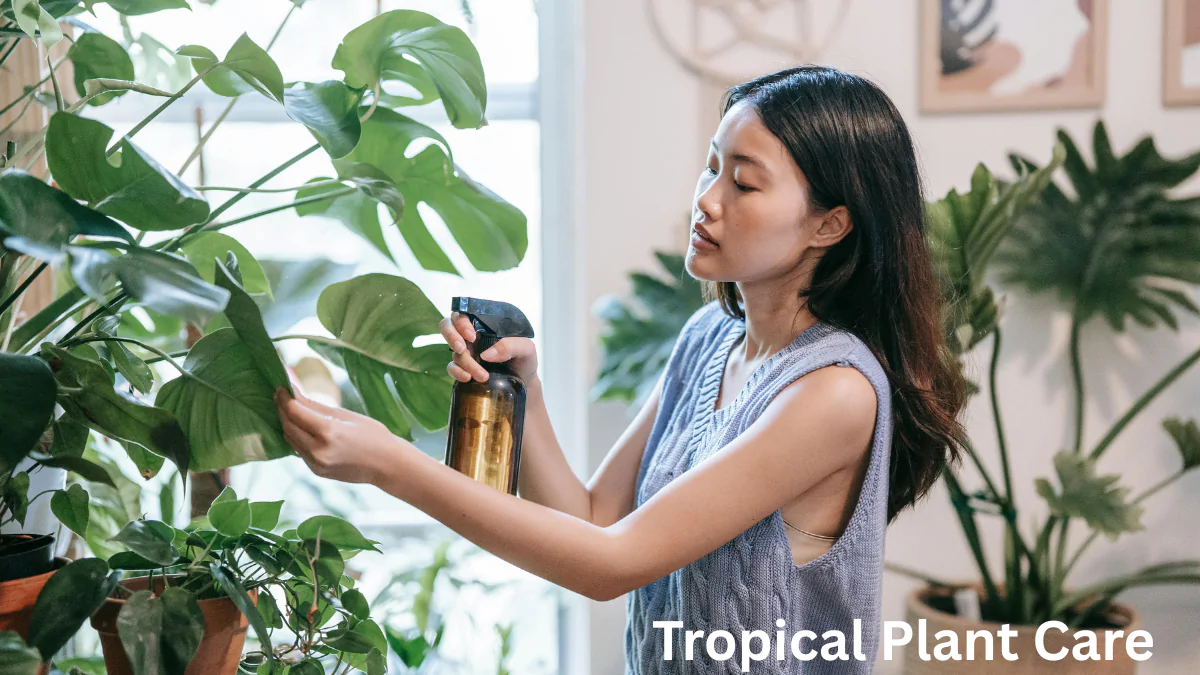
So, you’ve brought home a piece of the tropics—a magnificent Monstera with leaves like Swiss cheese, a lush Fiddle Leaf Fig with aspirations of being a tree, or a delicate, nerve-calming Calathea. It was glorious, for a while. Then, maybe the edges started to brown. A leaf turned yellow. That vigorous growth slowed to a standstill. You’re left wondering: what does this beautiful, frustrating being want from me?
I’ve been there. In my decade as a horticultural consultant and interior landscape designer, I’ve rescued hundreds of houseplants from the brink, and I can tell you one universal truth: tropical plants aren’t being difficult. They’re just homesick. Our goal isn’t to dominate nature, but to re-create a sliver of their native, dappled-light, humid-world habitat on our windowsills. It’s easier than you think, and deeply rewarding.
This guide is the culmination of thousands of hours of hands-on experience, client consultations, and yes, my own past failures (R.I.P., my first maidenhair fern). We’re moving beyond vague advice like “loves humidity” to give you the how and, crucially, the why. Let’s get your indoor jungle not just surviving, but absolutely thriving.
Understanding Your Tropical Plant’s Native Habitat: The “Why” Behind the “What”
Before we dive into the tips, let’s set the stage. Most popular tropical houseplants hail from the understory of rainforests—think the floors of Amazonian jungles or Southeast Asian forests. This isn’t a land of desert sun or arid winds. It’s a world of:
- Filtered, Dappled Light: Sunlight is broken up by a dense canopy overhead.
- High Humidity, Often 70-90%: The air is perpetually moist.
- Warm, Consistent Temperatures: Rarely dipping below 65°F (18°C).
- Nutrient-Rich, Yet Well-Aerated Soil: A mix of decaying organic matter on a forest floor that drains quickly despite frequent rain.
Every single care tip stems from these conditions. When we understand this, care stops being a list of arbitrary rules and starts making intuitive sense.
Pro Tip 1: Master the Language of Light (It’s Not Just “Bright”)
Light is food. Get this wrong, and nothing else matters.
Decoding “Bright, Indirect Light”
This is the golden phrase, but it’s notoriously vague. Here’s my practical definition: It’s a spot where a plant casts a soft, fuzzy shadow—no harsh, sharp lines. A north-facing window often provides this, but an east-facing window with gentle morning sun is prime real estate. A south or west window? Move the plant back 3-5 feet, or use a sheer curtain as a filter.
A Game-Changing Tool: Download a free light meter app on your phone. On a sunny day, take readings. 200-500 foot-candles (FC) is great for low-light plants (Snake Plants, ZZ Plants). 500-1000 FC is the sweet spot for most tropicals (Philodendrons, Pothos, Monsteras). 1000-2000+ FC is needed for flowering or high-light lovers (some Ficus, Bird of Paradise).
Case Study: The Leggy Pothos
A client’s Golden Pothos was all vine and no fullness—just long stems with inches between each leaf. This is etiolation: the plant is desperately stretching for more light. We moved it from a dim bookshelf to a brighter room (within the 500-1000 FC range). Within months, it began producing larger, closer-spaced leaves, becoming bushy and vibrant again. The plant wasn’t dying; it was starving.
Pro Tip 2: Water Deeply, Not Frequently: The Soak-and-Dry Method
Overwatering is the #1 killer of houseplants. It’s not about volume, but frequency and technique.
The Golden Rule: Check the Soil, Not the Calendar.
Forget watering every Sunday—your plant’s thirst changes with the seasons, light, and humidity.
The Right Technique:
- The Finger Test: Insert your finger 2-3 inches into the soil. For most tropicals, water only when the top few inches are completely dry. For moisture-lovers like Ferns, water when the top inch is dry. For succulents like Snake Plants, let the soil dry almost completely.
- The Soak: When it’s time, take the plant to the sink or bathtub. Water slowly and evenly over the entire soil surface until water runs freely out of the drainage holes. This ensures the whole root ball is hydrated.
- The Drain:This is non-negotiable. Let the plant drain completely before returning it to its decorative pot. Never let it sit in a saucer of standing water—this is a fast track to root rot, a fungal condition where roots suffocate and decay.
Why This Works: It mimics a tropical downpour followed by a period of drainage, encouraging roots to grow deep and strong as they seek moisture, which builds a more resilient plant.
Pro Tip 3: Humidity is Non-Negotiable (And Misting Isn’t the Answer)
Tips of the leaves that are brown and crispy? That’s your plant asking for more humid air. The humidity levels in our homes, especially with HVAC, are usually between 30 and 50%. A lot of tropical plants need 60% or more.
Don’t Mist. It gives a short boost (maybe 10 minutes) and can make fungal leaf diseases worse if water stays in the crowns. Let’s talk about real answers:
- The Pebble Tray: Place your pot on a wide tray filled with pebbles and water. As the water evaporates, it creates a microclimate of humidity around the plant. Ensure the pot’s base is on the pebbles, not in the water.
- The Humidifier: This is the pro move. A cool-mist humidifier placed nearby is the single most effective way to boost humidity. Grouping plants also creates a shared, more humid “transpiration zone.”
- The Shower Trick: Give your plants a monthly lukewarm shower. It rinses dust from leaves (which impedes photosynthesis) and provides a massive humidity boost. Just let them dry in the bathroom.
Expert Source: Research from the University of Florida’s IFAS Extension consistently highlights the critical role of ambient humidity in preventing physiological stress in tropical foliage plants, directly linking low humidity to leaf tip burn and reduced growth rates.
Pro Tip 4: Choose & Amend Your Soil Like a Pro
Bagged “all-purpose potting soil” is often too dense and moisture-retentive for tropical roots used to forest floors. They need air as much as they need water.
The Simple DIY Tropical Mix:
- 2 parts high-quality all-purpose potting mix (look for one with peat or coconut coir)
- 1 part orchid bark or coco chips (for aeration and chunkiness)
- 1 part perlite or pumice (for drainage and preventing compaction)
This blend is well-draining yet moisture-retentive, mimicking that forest floor structure. It’s a game-changer for aroids like Monstera and Philodendron.
Pro Tip 5: Feed Strategically, Not Generously
Plants in pots exhaust their nutrients. But more fertilizer is not better—it can lead to toxic salt buildup in the soil, burning roots.
My Rule of Thumb:
- Fertilise only during active growth (spring and summer).
- Use a balanced, water-soluble fertilizer (look for an N-P-K ratio like 10-10-10 or 20-20-20).
- Dilute it to half-strength of the label’s recommendation and apply with every other watering.
- Flush the soil every 3-4 months by running slow, steady water through the pot for a few minutes to leach out excess salts.
- In fall and winter, reduce or stop feeding entirely. The plant is resting.
Pro Tip 6: Become a Potting & Repotting Whisperer
Repotting is stressful. Do it only when necessary.
Signs It’s Time:
- Roots are visibly circling the bottom of the pot or growing out of the drainage holes.
- The plant dries out extremely quickly (within a day or two).
- Growth has significantly stalled despite good care.
The How-To:
- Size Up Gradually: Only go 1-2 inches larger in pot diameter. A pot that’s too large holds excess wet soil, risking root rot.
- Always Use a Pot with Drainage Holes. Ceramic, plastic, or terracotta are all fine—ensure water can escape.
- Be Gentle: Tease out the root ball slightly to encourage outward growth. Place it in the new pot with fresh soil at the same depth it was before.
- Water thoroughly after repotting to settle the soil, then return to your normal watering routine.
Pro Tip 7: Clean Leaves, Happy Plant
Dust isn’t just unsightly; it clogs the pores (stomata) plants use to breathe and absorb light.
Monthly Maintenance: Wipe large, smooth leaves (like Fiddle Leaf Figs) with a damp, soft microfiber cloth. For smaller or delicate plants, give them that gentle shower mentioned earlier. Avoid leaf shine products—they can clog stomata. For natural shine, a very occasional wipe with a dilute neem oil solution (which also helps deter pests) is safe.
Pro Tip 8: Monitor Temperature & Dodge Drafts
Tropicals dislike sudden change. They thrive in the same temperatures we do: 65-80°F (18-27°C).
The Silent Killers: Drafts. Keep plants away from frequently opened doors in winter, direct blasts from air conditioners in summer, and heat vents year-round. That spot on top of the radiator or fridge is a death sentence. Consistent, gentle warmth is key.
Pro Tip 9: Proactive Pest Patrol
Plants that are under a lot of stress are very attractive to pests. A healthy plant is the best defence. Still, check the new leaves and stems every week when you water.
Common Causes:
- Spider Mites: Look for small webs and dots on the leaves. Raise the humidity and spray with neem oil or insecticidal soap.
- Mealybugs look like little white cottony balls in the axils of leaves. Use a cotton swab dipped in rubbing alcohol to dab.
- Fungus gnats are tiny black flies that like wet soil. They are annoying, but they don’t hurt healthy plants. You can control them by using yellow sticky traps and letting the soil surface dry out more between waterings.
- Early intervention is everything. Isolate any infested plant immediately.
Pro Tip 10: Observe, Don’t Assume
This is the most important tip of all. Your plant is constantly communicating.
- Yellowing lower leaves: Often natural senescence, but can signal overwatering.
- Brown, crispy edges: Usually low humidity or underwatering (check the soil first to confirm!).
- Drooping leaves: Can be a sign of both overwatering and underwatering. Again, check the soil.
- Leggy growth or small leaves: Please give me more light.
Conclusion: Cultivating Your Personal Oasis
Caring for tropical plants doesn’t mean doing everything right. It’s about being a responsible steward. You’re not just keeping your plants alive by following these ten rules, like giving them the right amount of light, water, humidity, and soil. You and your family are working together to create a healthy, living ecosystem in your home that cleans the air, calms your mind, and makes you happy every day.
Start with one or two tips. Buy a humidity meter (hygrometer) or mix up your first batch of chunky soil. Observe how your plants respond. They will show you their gratitude through lush, vibrant growth. Now, I’d love to hear from you—which of these tips was a revelation for your indoor jungle? Share your stories or questions in the comments below, and let’s keep the conversation growing.
FAQ
1.How often should I really water my Monstera?
There’s no set schedule. The only reliable method is the finger test. For a mature Monstera in bright light, you might water every 1-2 weeks in summer and every 3-4 weeks in winter. Always water deeply until it drains, and let the top 2-3 inches of soil dry out completely between waterings. The pot’s weight is a great clue—a light pot means dry soil.
2.Why are the leaves on my Fiddle Leaf Fig turning brown and dropping?
This is a common sign of Fiddle Leaf Fig distress, which is usually caused by not watering it enough or a draft. If your plant suddenly loses its leaves, it might be because it was moved, there was a cold draft, or the soil was too wet or too dry for too long. Put it in a bright, stable place that isn’t close to any vents. Learn how to water it by soaking it and then letting it dry. New growth will come if you keep doing the same things.
3.Can I use tap water for my sensitive plants like Calatheas or Prayer Plants?
It depends on your water quality. These plants are sensitive to salts, chlorine, and fluoride found in tap water, which can cause brown leaf tips. If possible, use filtered, distilled, or rainwater. At a minimum, fill your watering can and let it sit out overnight; this allows chlorine to evaporate, which can help reduce stress.
4.My tropical plant hasn’t grown at all in months. What’s wrong?
When a plant’s growth stops, it usually means one of three things: it doesn’t get enough light, it doesn’t get enough nutrients, or its roots are stuck. Check how much light it gets first; it might need a brighter spot. If there is enough light and it’s the right time of year, you should use a fertilizer. Fertiliser to see if the roots are circling the pot. If they are, it’s time to move to a bigger home.
5.What’s the easiest low-light tropical plant for a beginner?
The Heartleaf Philodendron is virtually indestructible. It tolerates lower light (though it thrives in medium indirect light), forgives occasional underwatering, and grows quickly. Other fantastic starters are the Snake Plant (Sansevieria) and the ZZ Plant (Zamioculcas), which survive on neglect and very low light.
6.How do I know if my plant needs more humidity versus more water?
Check the soil first. If it’s moist and leaves are still crispy/browning at the edges, the issue is almost certainly low humidity. If the soil is bone dry and the plant is wilting or crisping, it needs water. Humidity issues are localized as dry areas, while underwatering causes overall wilting and dryness.
Important Disclaimer: This is just for your information. Some of the most popular tropical plants, like Pothos, Monstera, Dieffenbachia, and Philodendron, have chemicals in them that can be harmful if pets or kids eat them. Before you bring a plant home, always look at the ASPCA’s list of toxic and non-toxic plants. If you have pets that like to explore, think about using non-toxic plants like Spider Plants, Boston Ferns, or Parlour Palms. Also, keep all of your plants out of reach.


