Learn how to use hyaluronic acid toner correctly for maximum hydration and glow. This step-by-step guide covers application, layering, common mistakes, and skin type tips.
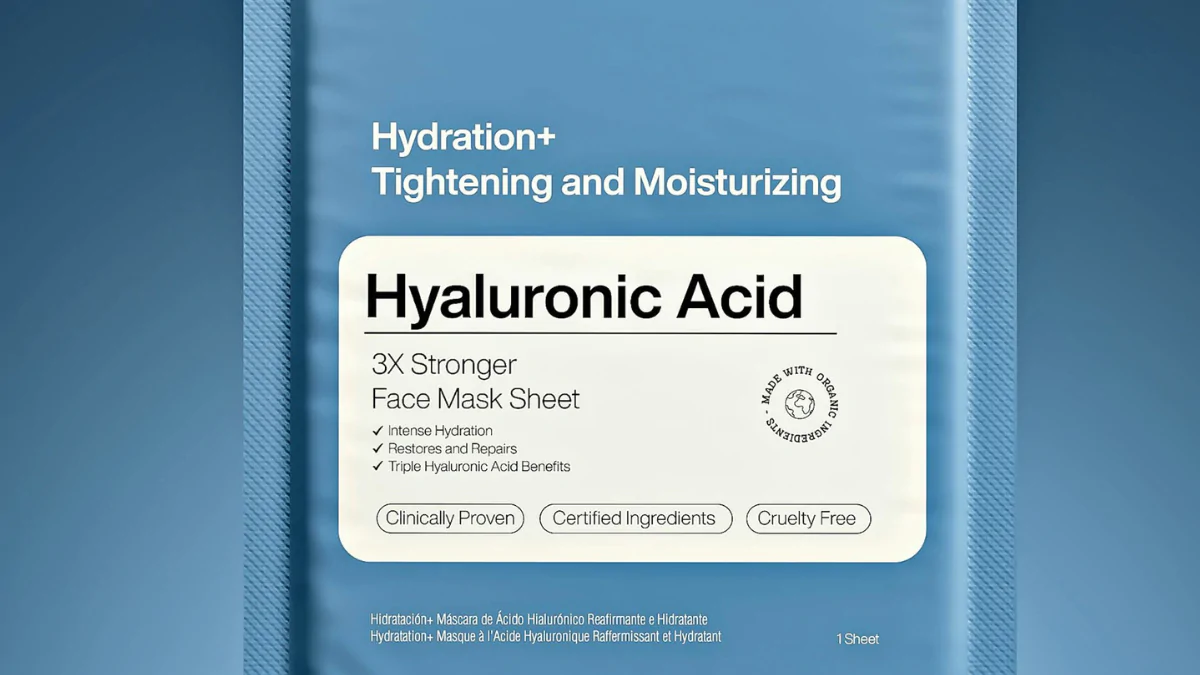
Let’s be honest. You bought that bottle of hyaluronic acid toner because you were promised a dewy, plump, lit-from-within complexion. You’ve been diligently patting it on, but your skin still feels tight in some places, maybe even a bit tacky. The glow is… missing. I’ve seen this countless times in my work as a skincare formulator. The issue is rarely the toner itself—it’s how we’re using it.
Hyaluronic acid (HA) is a hydration powerhouse, capable of holding up to 1,000 times its weight in water. But here’s a secret that most articles don’t tell you: if you use it wrong, it can actually take moisture out of your skin. It’s not enough to slap it on; you need a plan. Think of your skin as a sponge. A dry doesn’t soak up much. But a wet sponge? It soaks up everything.
This guide will transform your approach. We’re moving beyond the basic “apply after cleansing” to master the technique that makes this ingredient truly sing. Get ready to unlock hydration so profound it changes your skin’s texture.
What Makes Hyaluronic Acid Toner Unique? (It’s Not Just a Hydrator)
Before we dive into the how, let’s quickly understand the why. This isn’t just fancy water. Hyaluronic acid is a glycosaminoglycan, a molecule naturally found throughout our bodies, with about 50% of it residing in our skin. Its primary role is to retain water to keep our tissues lubricated and moist.
A landmark 2014 review in the Journal of Clinical and Aesthetic Dermatology emphasizedemphasized its critical role in skin moisture and elasticity. As we age, our natural HA levels deplete. That’s where a well-formulated toner steps in.
But not all HA is created equal. A great hyaluronic acid serum or toner will often contain multiple molecular weights:
- Low Molecular Weight: Penetrates deeper into the skin to provide long-lasting hydration from within.
- High Molecular Weight: Sits on the surface, forming a breathable, hydrating film for immediate plumping and protection.
Your toner delivers these molecules. Using it the right way makes sure they go to work where they can do the most good.
The Foundational Step: Prepping Your Canvas
You wouldn’t paint on a dirty, dry wall and expect a masterpiece. Your skincare is the same.
Start with a Clean, Damp Face.
This is the single most important step most people skip. After cleansing with a gentle, non-stripping face wash (sorry, that squeaky-clean feeling means you’ve gone too far), don’t reach for a towel. Immediately apply your hyaluronic acid toner to skin that is still slightly damp with water. I tell my clients to do this within 60 seconds of rinsing.
Why? HA is a humectant. It draws water from the nearest available source. If your skin is bone-dry and the air is arid, it will pull moisture from the deeper layers of your skin up to the surface, where it evaporates—leaving you drier. By applying it to damp skin, you give it a pool of “free” water to grab onto and pull into your skin. It’s a complete game-changer.
The Step-by-Step Application Masterclass
This is the exact method for applying hyaluronic acid toner that dermatologists recommend. It works on both surface and deep hydration.
What You’ll Need: Your HA toner, clean hands, and optionally, a soft cotton pad.
The 5-Second Trick:
- Dispense: Pour a coin-sized amount into your palm or onto a cotton pad. I prefer hands for less waste and better control.
- Press & Pat: Don’t swipe or rub. Gently press your palms onto your damp cheeks, forehead, and chin. Then, using your fingertips, pat the product in until it feels tacky. This patting motion stimulates micro-circulation and helps with absorption.
- Wait for the Tack: This “tacky” feeling is the high molecular weight HA forming that hydrating film. It’s your signal. Wait 60-90 seconds before moving to your next step. This gives the lower-weight molecules time to sink in properly.
A Quick-Start Guide for Different Skin Types:
- Oily/Combination Skin: Use a light layer. The patting method is perfect. This provides enough hydration to skip a separate moisturizer in humid months.
- Dry/Dehydrated Skin: Don’t be shy. Apply a second, thinner layer after the first one settles. We call this “toner layering” in K-beauty, and it’s a secret weapon for parched skin.
- Sensitive Skin: Opt for a formula with minimal ingredients (just HA and purified water is fantastic). Patch test first, always. The press-and-pat method is gentler than rubbing with cotton.
The Art of Layering: Where Does HA Toner Fit?
This is where people get tangled. Let’s build your routine logically, like building a house.
The Correct Order:
- Cleanser (Foundation)
- Hyaluronic Acid Toner on damp skin (Framework & Plumbing)
- Treatment Serums (e.g., Vitamin C, Niacinamide, Retinol) – The thinner, water-based consistency goes on over your hydrated base.
- MoisturizerMoisturizer (Sealant) – This is non-negotiable. Moisturizer, be it a light lotion or a rich cream, locks all that beautiful hydration from your HA toner into your skin. It prevents transepidermal water loss (TEWL).
- Sunscreen (AM) or Facial Oil (PM) – The final protective layer.
Pro Tip: If you use a treatment toner with exfoliants (like AHA/BHA), use that first on dry skin after cleansing. Wait 5-10 minutes, then lightly mist your face with water and apply your HA toner. Hydration after exfoliation is key.
The Top 3 Mistakes That Are Sabotaging Your Glow (And How to Fix Them)
In my consulting work, I see these errors every day. Fixing them yields instant results.
1.The “Dry Application” Error.
Mistake: Putting HA toner on a face that is completely dry.
Result: Possible loss of moisture and poor absorption.
Fix: Keep in mind the rule about wet skin. If your face has dried, keep a spray bottle of plain water or thermal spring water by the sink so you can quickly mist it before applying toner.
2.The “Skipping the Sealant” Error.
Using HA toner alone, without a moisturizer, is a mistake.
Result: Everything that draws in water goes back into the air. Hydration doesn’t last long.
Always, always use a moisturizer afterwards. Think of HA as the water inside the bottle and your moisturizer as the lid.
3.The “More is More” Error.
Mistake: Putting on a thick, gooey layer of product.
The result is a sticky, pilling mess that doesn’t soak up anything and can ball up under makeup.
Fix: The best layers are thin and even. If you need to, you can always add a second layer, but one well-applied layer is worth three gloopy ones.
Maximizing Benefits: Advanced Tips & Synergies
Once you’ve nailed the basics, these strategies can elevate your results.
For an Intense Hydration Boost:
Try the “7-Skin Method” Lite. After your initial HA toner layer absorbs, apply 2-3 more very thin layers, patting each one in fully and waiting 30 seconds between. This is incredible for dry climates or winter skin. You’ll feel the difference in plumpness.
Powerful Ingredient Partnerships:
- With Vitamin C: HA toner creates the perfect hydrated base for your L-ascorbic acid serum, which can be drying. It may also enhance antioxidant penetration.
- With Retinol: This is a classic “calm and protect” combination. Put on your HA toner, let it soak in, and then put on retinol. The hydration buffer can help reduce irritation and peeling. Put on moisturizer next.
- With Peptides: A match made in heaven. Peptides signal skin to repair and produce collagen; HA provides the swollen, hydrated matrix for that action to happen. They work synergistically for anti-ageing.
Choosing Your Champion: What to Look For in a Formula
A perfect technique can’t compensate for a poorly formulated product.
Read the Label.
Different Molecular Weights: Look for words like “sodium hyaluronate” (the salt form, which is usually smaller), “hydrolyzed hyaluronic acid,” and “hyaluronic acid crosspolymer.”
Soothing Companions: Panthenol (vitamin B5), allantoin, centella asiatica, or ceramides work well with HA to help protect the skin’s barrier.
Avoid Red Flags: If your skin is sensitive, stay away from products with a lot of alcohol (denat. alcohol or ethanol are high on the list), strong scents, or essential oils that aren’t needed.
Conclusion: Your Path to Lasting Radiance
Achieving hydrated, glowing skin with hyaluronic acid toner isn’t about magic—It’s all about the method. The right product, used on damp skin, sealed in with a moisturizer, and carefully added to your routine, all work together to make a difference. You can turn a simple step into the most important part of your hydration plan by learning about humectants and avoiding common mistakes.
Remember, consistency is key. Make this technique a ritual. In a matter of weeks, you’ll notice more than just a glow. You’ll feel resilience—a bouncy, supple texture that makeup sits on flawlessly and that faces the day with a healthy barrier. Now, go press, pat, and seal your way to your best skin.
What’s your biggest skincare challenge right now? Have you tried the “damp skin” method? Share your experience or questions in the comments below—let’s keep the conversation on real results going.
FAQ
Q: Can I use hyaluronic acid toner every day, both morning and night?
A: Of course. You should, in fact, for the best results. Hyaluronic acid is a safe hydrator that doesn’t exfoliate and can be used every day. It gives your skin a base of hydration in the morning under sunscreen, and it helps repair and rehydrate your skin barrier at night. Using it twice a day is the best way to keep your skin’s moisture levels where they should be.
Q: I live in a very dry, desert climate. Will hyaluronic acid toner dry out my skin?
A: This is a smart concern and highlights the importance of technique. In arid air, the “damp skin” rule is crucial. Always apply to damp skin and immediately follow with a richer moisturizer or even a facial oil to seal the hydration in. Consider using a humidifier in your bedroom at night. In these conditions, HA toner is still beneficial, but the “sealing” step is non-negotiable.
Q: How long does it take to see results from using a hyaluronic acid toner?
A: From the first time you use it properly, you’ll feel a difference right away—your skin will feel plump and soft. Results that can be seen, like fewer fine lines from dehydration and a more even glow, usually show up within 1 to 2 weeks of using the product correctly and regularly. Over time, the skin’s elasticity and barrier function get better.
Q: Can I use hyaluronic acid toner if I have acne-prone or oily skin?
A: Yes, it is often highly suggested. If you don’t drink enough water, your oily skin can get dry, which makes it produce more oil. Lightweight, non-comedogenic HA toners keep your skin hydrated without using heavy oils or ingredients that clog pores. This helps keep oil production in check. Choose formulas that don’t have oil in them and use them with a light, gel-based moisturizer.
Q: What’s the difference between a hyaluronic acid toner and a hyaluronic acid serum? Which one should I use?
A: The main difference is how thick and how much there is. Toners are usually more liquid and are meant to balance the pH and give the skin its first layer of moisture. Serums are thicker and more concentrated, which helps them get deeper into the skin. You can use both for a hydration boost (toner first, then serum) or just one. Use both if your skin is really dry. A well-made toner may be enough if your skin is normally oily.
Q: Is it okay to use a hyaluronic acid toner with other active ingredients like retinol or AHA/BHA?
A: Yes, it’s not only okay, but it’s also a good idea. HA toner is the best way to calm down strong actives. Use HA first as a buffer to lessen irritation when using retinol. For acids that exfoliate (AHA/BHA), first use the acid toner on dry skin, then wait, mist with water, and then use your HA toner to calm and rehydrate. It helps lessen the dryness that these strong ingredients can cause.
Q: Can I make my own DIY hyaluronic acid toner at home?
A: I strongly advise against it. You can buy hyaluronic acid powder, but it’s very hard to make a stable, safe, and pH-balanced product at home. If it doesn’t have the right preservatives, it can become a place where bacteria and mould grow. You can’t control the molecular weight or make sure it penetrates properly without a precise formulation. It’s safer and much better for your skin to buy a professionally made product from a well-known brand.
Important Disclaimer: This article is for educational and informational purposes only. It is not a substitute for professional medical advice, diagnosis, or treatment. Always seek the advice of your dermatologist or qualified healthcare provider with any questions you may have regarding a skin condition or new skincare regimen.


